The Quest for Crunchy Pickled Green Onions: A Home Kitchen Trial
The garden bounty often inspires culinary creativity, and for many home growers, a surplus of fresh produce sparks thoughts of preservation. Among the many vegetables that lend themselves beautifully to pickling, green onions present a unique and delicious possibility. Imagine the crisp, pungent bite of a pickled green onion, adding a zesty kick to salads, sandwiches, or as a standalone snack. Yet, as one dedicated home pickler discovered, achieving that coveted crunch can be a significant challenge, even when the flavor hits all the right notes. This article delves into a specific pickling trial, examining the methods used, the delicious outcome in terms of taste, and the frustrating texture issues encountered, offering insights for anyone embarking on their own journey to create the perfect batch of pickled green onions.
From Garden to Jar: A Refrigerator Pickling Experiment
Our story begins in Mary’s Garden, where an abundance of multiplying and bunching onions had begun to bolt. Faced with a delightful oversupply, the decision was made to preserve some of these vibrant green onions through pickling, ensuring a supply for future meals while new plantings matured. The goal was to create refrigerator pickles, a method celebrated for its simplicity and relatively quick turnaround, perfect for enjoying within a few months.
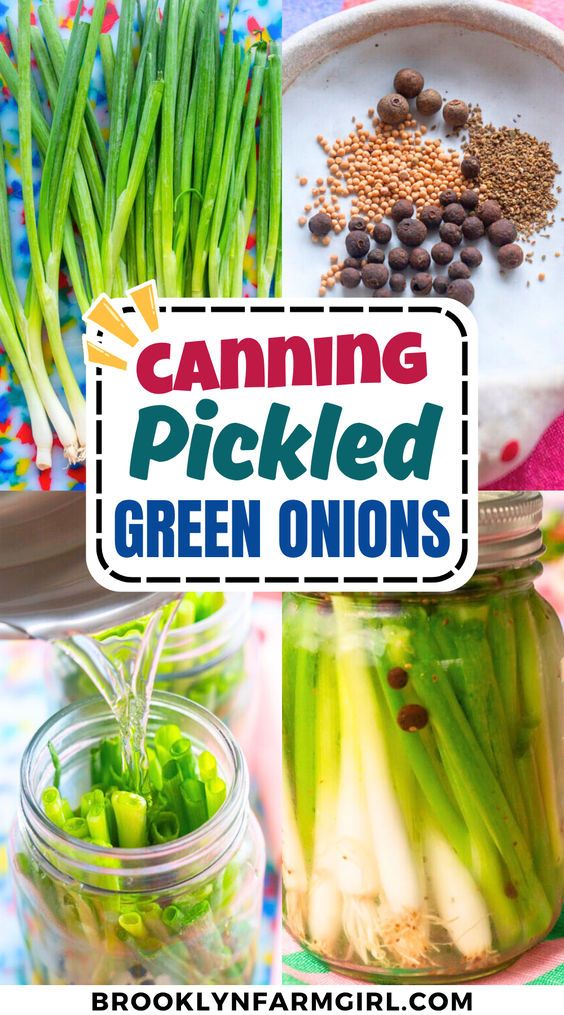
Within an hour of being pulled from the soil and thoroughly washed, the green onions were prepared for their pickling bath. The bulb ends were trimmed and the onions were packed snugly into two wide-mouth quart jars. The approach to refrigerator pickled green onions involves less stringent sterilization than traditional canning, as the jars are stored in the cold, drastically slowing microbial growth. This meant skipping the hot water bath for the jars and lids, a time-saving step common in quick pickling.
The Recipe Trial: Brine and Spices Unpacked
For the pickling brine, the home chef followed a standard ratio: 3 parts vinegar to 2 parts water. This translated to a robust mixture of 4 cups of white vinegar combined with 2-2/3 cups of water and 1/4 cup of pickling salt. This brine was then brought to a slow, rolling boil, ensuring the salt dissolved completely and the mixture was piping hot when poured over the onions. The choice of white vinegar is typical for its clean, sharp acidity, which is essential for both flavor and preservation.
To infuse the green onions with layers of aromatic complexity, each quart jar received a generous blend of whole spices before the hot brine was added. This included five peppercorns for a classic peppery warmth, five allspice berries contributing a sweet, spicy note, and half a teaspoon of homegrown cayenne red pepper flakes for a subtle kick. Two large cloves of garlic in each jar completed the aromatic profile, promising a flavorful end product. As a final, crucial step, half a teaspoon of a commercial crisping agent was added to each jar just before sealing, in hopes of preserving the onions' natural firmness.
The Verdict: Good Flavor, Challenging Texture
Fast forward several months to July 29, 2021. The moment of truth arrived with the opening of the second jar of pickled green onions. The aroma was promising, and the initial taste confirmed a truly delightful spice blend. The notes of allspice, garlic, and cayenne, complemented by the sharp vinegar, created a harmonious and appealing flavor profile. However, the initial positive impression was quickly overshadowed by a significant textural issue. Just like the first jar, the green onions were decidedly tough, bordering on rubbery. They proved impossible to bite through cleanly and even resisted a steak knife, requiring considerable effort to cut. This outcome highlighted a common dilemma in home pickling: achieving perfect flavor is one thing, but mastering the desired texture is an entirely different, often more elusive, challenge. It presented a clear case for investigating Why Our Homemade Pickled Green Onions Turned Rubbery.
Diving Deeper: Understanding the Texture Conundrum
The journey from fresh, tender green onion to a tough, rubbery pickle is a frustrating one, and it often stems from the interaction between the vegetable's cellular structure and the pickling process. Green onions, like many vegetables, are composed of cells with rigid walls. When exposed to hot brine, several things can happen that affect texture:
- Heat Shock: Pouring hot brine directly over raw vegetables can cause the cell walls to toughen rather than soften. The rapid change in temperature can lead to a phenomenon known as "cooked crunch" where the vegetable becomes hard and inflexible.
- Cellular Dehydration: The osmotic process of pickling draws water out of the vegetable cells and replaces it with brine. While this is essential for preservation and flavor infusion, if not managed carefully, it can lead to a loss of succulence and a toughening of the fibrous tissues.
- Lignification: As vegetables mature or are subjected to certain stresses, their cell walls can become more lignified (woody). While green onions are generally tender, older or rapidly bolting specimens might have already developed tougher fibers.
- Crisping Agent Effectiveness: While a crisping agent (typically calcium chloride) is crucial for maintaining firmness, its effectiveness can vary depending on the vegetable and the concentration used. It works by firming up pectin in the cell walls, but it’s not a magic bullet for every textural issue.
- Over-processing (for True Canning): Although this specific trial involved refrigerator pickles, the concept extends to true canning pickled green onions. Excessive heat exposure during a water bath canning process can further break down cell structure and lead to a mushy or, paradoxically, an overly tough product depending on the vegetable.
The combination of these factors likely contributed to the rubbery texture observed in this particular batch. The excellent flavor profile confirms that the brine and spice combination was successful, but the physical integrity of the onions was compromised.
Tips for Achieving That Desired Crunch in Pickled Green Onions
While the texture challenge is real, it's not insurmountable. Achieving a pleasant crispness in pickled green onions requires careful attention to detail and, often, some pre-treatment. Here are some actionable tips:
- Pre-Salting (Dry Brine): Consider a pre-salting step. Gently toss your cleaned and trimmed green onions with a small amount of pickling salt (e.g., 1-2 tablespoons per pound of onions) and let them sit in a colander for 30 minutes to an hour. This draws out excess moisture, which can prevent toughening and allows for better brine penetration. Rinse thoroughly before jarring.
- Blanching & Ice Bath: For some vegetables, a quick blanch (30 seconds in boiling water) followed immediately by an ice bath can set the color and help maintain crispness by partially cooking the outer layer without fully softening the interior. Experiment with this for green onions, but be cautious not to over-blanch.
- Cold Packing Method: Instead of pouring very hot brine over raw green onions, consider letting your brine cool slightly before pouring, or using a "cold pack" method where the brine is still warm but not scalding. This minimizes the initial heat shock. For refrigerator pickles, pouring hot brine over cold vegetables is usually sufficient for preservation and can aid in texture.
- Optimize Crisping Agent: Ensure you're using fresh, high-quality calcium chloride (often sold as "pickle crisp"). Follow package directions carefully, but don't be afraid to experiment slightly within safe limits to find the optimal amount for green onions.
- Vinegar Quality and Acidity: Always use vinegars with at least 5% acidity for pickling. White vinegar is excellent for its clean profile, but apple cider vinegar can also be used for a different flavor, as long as the acidity is sufficient.
- Storage Duration: For refrigerator pickles, consuming them within 2-4 weeks often yields the best texture. Over extended periods, even in the fridge, vegetables can soften or toughen further. This is especially true for delicate items like green onions.
- Freshness of Onions: Use the freshest, most tender green onions available. Older or "bolting" onions, while still flavorful, may already have a tougher texture inherent in their growth stage.
By implementing these strategies, aspiring picklers can significantly improve their chances of producing delightfully crunchy pickled green onions, avoiding the pitfalls encountered in this trial. Further insights on this can be found in our comprehensive guide, Refrigerator Pickled Green Onions: Avoiding Common Pitfalls.
Beyond the Refrigerator: True Canning Pickled Green Onions
While the initial experiment focused on refrigerator pickles, the concept of canning pickled green onions for shelf-stable storage is often a goal for those looking for longer-term preservation. It's crucial to understand the fundamental differences and added complexities involved in true water bath canning. Unlike refrigerator pickles, which rely on cold storage to prevent spoilage, true canning requires precise sterilization of jars and lids, and a specific processing time in a boiling water bath.
This heat processing kills spoilage microorganisms and creates a vacuum seal, making the jars shelf-stable at room temperature. However, this extended heat exposure introduces another layer of challenge for delicate vegetables like green onions. The very heat that ensures safety can further degrade texture, potentially leading to even tougher or mushier results if not addressed with specific canning-approved recipes. For this reason, it is paramount to follow tested and approved canning recipes when attempting to preserve green onions for shelf-stable storage, as they are designed to balance safety, flavor, and texture for the long haul. Without proper canning procedures, including sterilization and correct processing times, pickles intended for shelf storage could pose health risks.
Conclusion
The pickling trial of green onions, while yielding a flavorful product, served as a valuable lesson in the complexities of food preservation. The excellent spice profile proved that the culinary instincts were sound, but the rubbery texture underscored the delicate balance required to achieve both taste and optimal mouthfeel. Whether you're aiming for quick refrigerator pickles or the long-term shelf stability of true canning pickled green onions, understanding the science behind texture—from pre-treatment techniques to the role of crisping agents and the impact of heat—is key. With a bit of experimentation and adherence to best practices, the dream of a perfectly crunchy, tangy pickled green onion is well within reach, ready to elevate your next meal with its unique, vibrant presence.
