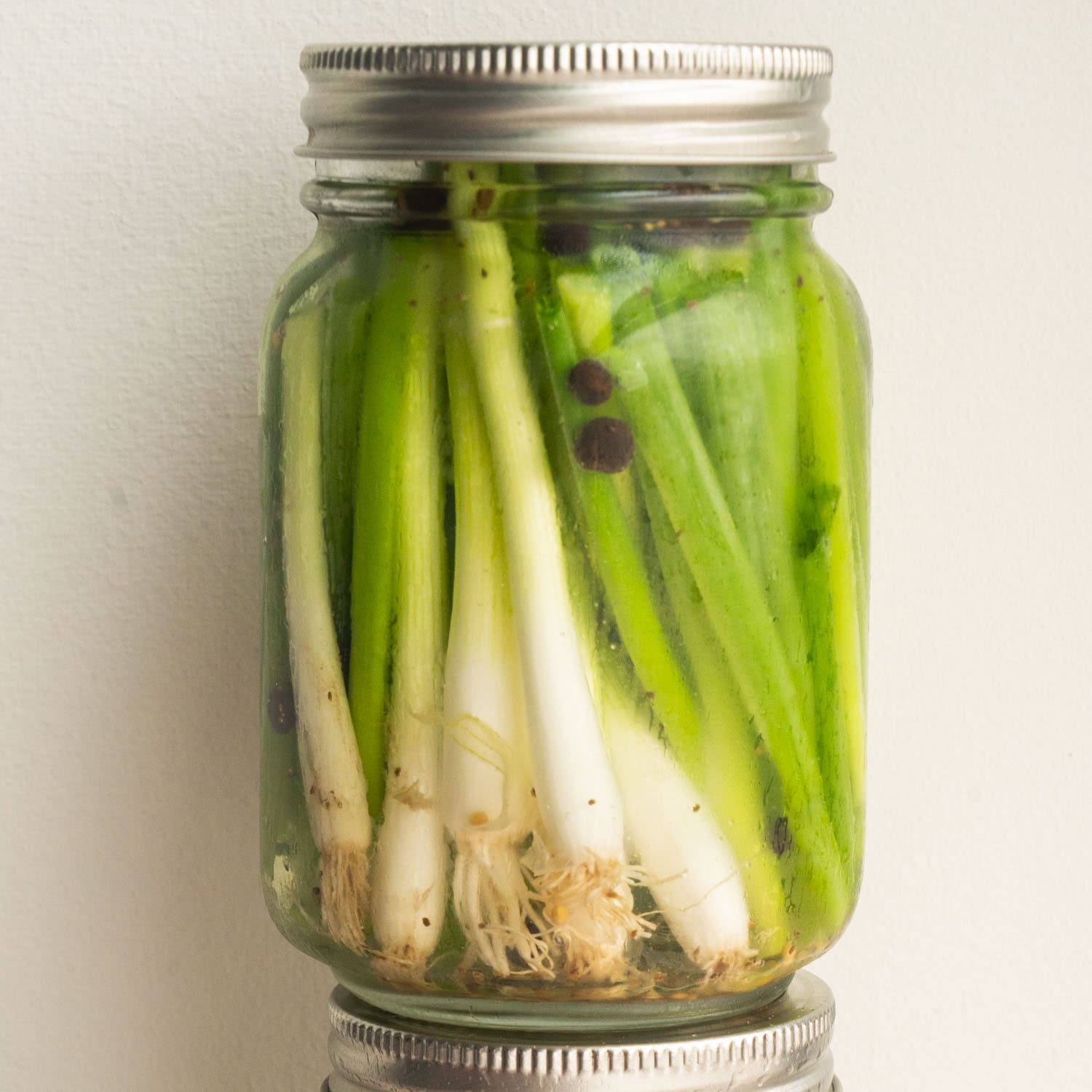
The Allure of Homemade Pickled Green Onions: Preserving Garden Bounty
For gardeners, the arrival of spring often brings an abundance of green onions, also known as scallions or bunching onions. These versatile alliums, with their mild yet distinct flavor, are a kitchen staple. However, when your garden yields more than you can immediately use, or your multiplying onions begin to bolt, preserving this flavorful harvest becomes a priority. One incredibly popular and delicious method is pickling. Pickled green onions offer a tangy, savory, and slightly pungent condiment perfect for salads, stir-fries, sandwiches, or as a standalone snack. Yet, as many home picklers discover, transforming fresh, crisp green onions into a perfectly textured pickle can be an elusive art, often resulting in a frustratingly rubbery outcome.
Decoding the Refrigerator Pickling Process: A Case Study in Texture Troubles
A common approach to pickling green onions, particularly for those intended for shorter-term use and refrigerator storage, involves a relatively straightforward method. Let's examine a typical scenario that highlights a prevalent pitfall:
Imagine harvesting a generous quantity of green onions – perhaps from a patch of bolting bunching onions – and processing them within an hour of pulling and washing. The bulb ends are prepared, and enough onions are packed into wide-mouth quart jars. For the pickling brine, a popular choice involves a vinegar-to-water ratio, often around 3:2. If, for instance, a jar containing onions and spices required two cups of vinegar, a brine might be created by mixing four cups of vinegar with two and two-thirds cups of water, along with a quarter cup of pickling salt. This mixture is then brought to a slow rolling boil.
While the brine heats, jars are prepared with aromatic additions: five peppercorns, five allspice berries, half a teaspoon of cayenne red pepper flakes, and two large cloves of garlic per quart jar, placed directly over the onions. The boiling brine is then carefully poured into the onion-filled jars, up to near the top of the shoulder. A crisping agent, typically half a teaspoon, is often added to each jar, followed by tightening the lids and rings. Soon, the jars seal, creating a vacuum.
These jars, intended for consumption within a couple of months in salads, are then stored in the refrigerator. This crucial detail – refrigerator storage rather than shelf-stable canning – explains why the jars and lids might not have been sterilized in a traditional boiling water bath. The expectation is a delightful, tangy treat. However, the reality can often be disappointing. Upon opening, the onions, much like those in a similar trial, can be "tough or rubbery and impossible to bite through." Despite a good spice flavor, they might be incredibly difficult to even cut with a steak knife, rendering them practically inedible. This frustrating outcome is a common experience when pickling green onions, leading many to wonder where the process went awry. For a deeper dive into this specific texture issue, you might find Pickled Green Onions Recipe Trial: Good Flavor, Tough Texture particularly insightful.
The Anatomy of a Pickle Failure: Why Did They Turn Rubbery?
When pickled green onions turn tough and rubbery, it's rarely due to a single, isolated factor. Instead, it's often a confluence of conditions related to heat, osmotic pressure, and the specific cellular structure of the green onion itself. Here are the primary culprits:
- Overcooking from Boiling Brine: This is arguably the most significant factor, especially with delicate vegetables like green onions. Pouring scalding hot, boiling brine directly over raw green onions can essentially "cook" them. While it might initially seem to soften them, this intense heat can cause the pectin within the cell walls to break down too rapidly and then, as the onions cool, the cellular structure tightens, leading to a tough, rubbery texture. Unlike harder vegetables like cucumbers, green onions have thinner cell walls and a higher water content in their green tops, making them more susceptible to heat damage.
- Improper Brine Penetration and Osmotic Action: Pickling relies on osmosis – the movement of water from an area of high concentration (inside the onion cells) to an area of lower concentration (the salty brine). If the brine isn't effectively penetrating the onion tissue, or if the onions haven't been pre-treated to facilitate this exchange, the cells can become leathery. The goal is to replace some of the water in the onion with brine, which helps preserve and firm the tissue.
- Inadequate Pre-treatment: Cucumbers are often pre-treated by soaking in an ice bath or salting to draw out excess water and firm them up. Green onions, while different, could benefit from specific pre-treatments. Simply washing and packing might not adequately prepare their delicate structure for the pickling process.
- Misunderstanding Crisping Agents: Crisping agents, typically calcium chloride, work by interacting with pectin in the cell walls to maintain firmness. While helpful, they are not a magic bullet. They can't counteract severe overcooking or fundamental flaws in the pickling process. If the onion's structure is already compromised by excessive heat, a crisping agent will have limited effect.
- Onion Maturity and Variety: The age and variety of the green onion can also play a role. Bolting onions, as mentioned in our reference case, might already have a slightly tougher, woodier texture compared to younger, tender scallions.
Mastering the Art of Crisp: Avoiding Rubbery Pickled Green Onions
Achieving that satisfying snap in your pickled green onions is entirely possible with a few adjustments to technique. The key lies in respecting the delicate nature of the vegetable and optimizing the brine application.
1. The Right Onions and Preparation:
- Choose Young, Tender Onions: While you can pickle bolting onions, younger, fresher green onions or scallions with tender white bulbs and vibrant green tops will generally yield a better texture.
- Thorough Cleaning: Wash your green onions meticulously, removing any soil or outer layers. Trim off root ends and any wilted or discolored green tips.
- Uniform Cuts: For even pickling, cut your green onions into manageable lengths, perhaps 2-3 inches, ensuring they fit comfortably in your jars.
2. Strategic Brine Application and Temperature Control:
The biggest takeaway from the rubbery pickle problem is to rethink the boiling brine. For delicate vegetables, direct boiling brine is often too aggressive.- Cool or Warm Brine Method: Instead of pouring boiling brine directly, consider letting your pickling brine cool to warm or even room temperature before pouring it over your packed green onions. This allows for a slower, gentler infusion of the brine, preventing the "cooking" effect that leads to toughness.
- Quick Blanch (Optional, with Caution): If you prefer to use hot brine for faster processing or better color setting, a very brief blanching step (10-15 seconds in boiling water followed immediately by an ice bath) can help tenderize the onions slightly and set their vibrant green color without fully cooking them. This pre-treatment can make them more receptive to the brine, but it must be done quickly to avoid softening.
- Optimized Brine Ratio: The 3 parts vinegar to 2 parts water ratio (e.g., 3 cups vinegar to 2 cups water) is a good starting point, as seen in the reference context. This provides sufficient acidity for flavor and refrigerator preservation. Don't skimp on the pickling salt; it's crucial for flavor and drawing out moisture.
3. The Role of Crisping Agents and Other Additions:
- Proper Crisping Agent Use: Calcium chloride (often sold as "pickle crisp" or "pickle enhancer") is effective, but it's an aid, not a solution for poor technique. Use it according to package directions, typically 1/2 teaspoon per quart jar. It works by firming the pectin in the cell walls, helping to maintain crunch.
- Enhance Flavor: The spices mentioned – peppercorns, allspice, red pepper flakes, garlic – are excellent choices. Consider adding dill seeds, mustard seeds, or bay leaves for additional aromatic complexity.
4. Storage and Patience:
- Refrigerator Storage: For the method described, immediate refrigeration is essential. These are refrigerator pickles, not shelf-stable items. They will continue to develop flavor over a few days and are best consumed within 2-3 months.
- Allow to Mellow: While you can eat them right away, allowing your pickled green onions to sit in the refrigerator for at least a few days, or even a week, will allow the flavors to fully meld and the texture to properly set.
"Canning Pickled Green Onions" vs. Refrigerator Pickles: A Crucial Distinction
It's important to clarify the terminology often used interchangeably. While the main keyword for this article is "canning pickled green onions," the specific technique discussed in our reference context and the resulting texture issues pertain to refrigerator pickling.
Refrigerator pickles are quick, easy, and stored in the fridge. They rely on the acidity of the brine and the cold temperature to prevent spoilage for a limited time (typically weeks to a few months). The jars are often sealed simply by the vacuum created as the hot brine cools, or they may just have tightly screwed lids. They do not undergo a rigorous heat processing step (like a water bath) designed for shelf stability.
True canning, on the other hand, refers to a method of preserving food for long-term, shelf-stable storage. This involves processing filled jars in a water bath canner (for high-acid foods like most pickles) or a pressure canner (for low-acid foods). This specific heat treatment ensures the destruction of spoilage microorganisms and the creation of a strong vacuum seal, making the food safe for pantry storage for a year or more.
For green onions, because they are a relatively low-acid vegetable on their own, a high-acid brine (like the 3:2 vinegar to water ratio used) is necessary. While it might be possible to create a truly canned pickled green onions recipe suitable for water bath processing, it would require a tested recipe from a reputable source (like a university extension or national center for home food preservation) to ensure safety. Improper canning can lead to serious health risks, including botulism. Given the delicate nature of green onions and their tendency to become rubbery with excessive heat, many prefer the refrigerator pickling method for its simplicity and better texture control.
Conclusion
Preserving the fresh flavor of green onions through pickling is a rewarding culinary endeavor. While the frustration of tough, rubbery results is a common hurdle, understanding the underlying causes empowers you to avoid these pitfalls. By consciously choosing tender onions, applying brine at a cooler temperature or employing a very brief blanch, and using crisping agents judiciously, you can transform your garden's bounty into a perfectly crisp and flavorful condiment. Remember the critical distinction between short-term refrigerator pickles and true, shelf-stable canning, always prioritizing safety and tested recipes for any long-term preservation methods. With these insights, your next batch of homemade pickled green onions is destined for a delicious, satisfying crunch.
