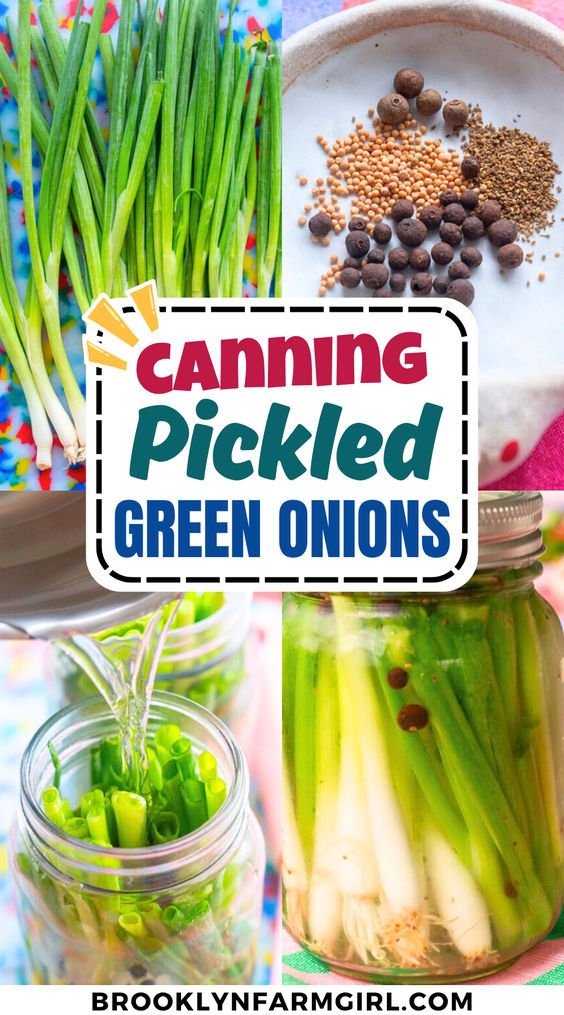
The Quest for Perfect Pickled Green Onions: A Common Culinary Conundrum
There's something uniquely satisfying about a jar of homemade pickled vegetables. The vibrant colors, the tantalizing aroma, and the promise of a tangy, crisp bite can elevate any meal. Pickled green onions, with their delicate flavor and tender-crisp texture, are a particular delight, perfect for salads, stir-fries, or as a savory snack. However, the journey to perfectly preserved green onions isn't always smooth. Many home picklers, with the best intentions, find themselves facing a frustrating outcome: rubbery, unappetizing results. This common pitfall can turn a culinary triumph into a chewy disappointment.
We've all been there, eager to preserve a bountiful harvest or simply enjoy the convenience of homemade pickles. Consider the experience of Mary and Tom, who, faced with an abundance of bolting multiplying and bunching onions from their garden, decided to pickle them. They carefully prepared their onions, concocted a brine, added spices and even a crisping agent, and then stored them in the refrigerator. Months later, their anticipation turned to dismay when they discovered their pickled green onions were "tough or rubbery and impossible to bite through," even hard to cut with a steak knife. While the flavor was good, the texture made them inedible.
This scenario highlights a critical challenge in the art of pickling, especially when considering the delicate nature of green onions. Whether you're aiming for quick refrigerator pickles or exploring the more involved process of
canning pickled green onions for longer-term shelf stability, understanding the factors that contribute to a rubbery texture is paramount. Let's delve into what might have gone awry and how you can ensure your next batch is wonderfully crisp.
Decoding the Process: Unraveling the Mystery of Tough Pickles
Mary and Tom’s detailed account offers valuable clues into why their pickled green onions turned rubbery. Their method involved several key steps, each with the potential to impact the final texture:
1.
Onion Selection and Preparation: They used "bolting" multiplying and bunching onions. Bolting occurs when a plant sends up a flower stalk, often signaling that the plant is maturing and its energy is shifting from bulb/leaf production to seed production. This can make the plant's parts, including the green onions, tougher and more fibrous. They pulled, washed, and prepared the "bulb end" within an hour.
2.
Brine Formulation: Their recipe used a 4 cups white vinegar to 2-2/3 cups water ratio, along with ¼ cup of pickling salt. This creates a brine that is roughly 60% vinegar, a good acidic environment for pickling.
3.
Heat Application and Spices: They added spices (peppercorns, allspice, cayenne flakes, garlic) to the onion-filled jars. Crucially, they poured the *boiling* brine into the wide-mouth canning jars "up to near the top of the shoulder."
4.
Crisping Agent: They added ½ tsp of a crisping agent to each jar. Crisping agents, typically calcium chloride, are designed to help vegetables maintain their firmness.
5.
Storage: The jars were sealed and stored in the refrigerator, *without sterilization*, as they were intended for consumption within a couple of months. This indicates they were making refrigerator pickles, not truly shelf-stable canned goods.
Analyzing these steps, several factors likely contributed to the rubbery outcome:
Onion Selection: The Foundation of Texture
The primary suspect in Mary and Tom's case is the use of "bolting" onions. When green onions, or any allium, begin to bolt, their internal structure changes. They become stringier, tougher, and less palatable. The plant is directing its energy towards flowering and seed production, often resulting in a woodier texture.
*
Expert Tip: For the best results when pickling, always choose young, fresh, and tender green onions (often called scallions). Look for bright green tops and firm white bases, free from any signs of flowering or yellowing. If you're harvesting from your garden, pick them before they show signs of bolting. The younger the onion, the more succulent and less fibrous it will be, leading to a crisper pickle.
The Brine Balance and Boiling Brine Effect
While the 1.5:1 vinegar-to-water ratio is generally good for flavor and preservation, the application of *boiling* brine directly onto the delicate green onions is a significant factor. When raw vegetables are subjected to high heat, their cell walls can break down rapidly. Initially, this might soften them, but over time, particularly in an acidic environment, they can become tough and chewy as moisture is drawn out and cells collapse. This is akin to overcooking a vegetable; it loses its snap and becomes rubbery.
*
Expert Tip: For crispier pickles, consider the "cold pack" method. Pack your raw green onions into jars, then pour hot (but not necessarily boiling) brine over them. Some recipes even advocate for completely cold brine, allowing the vegetables to slowly absorb the flavors and acids without the initial thermal shock. A pre-soak in ice water for an hour or two before pickling can also help firm up the onions and draw out excess moisture.
The Role of Crisping Agents
Mary and Tom wisely included a crisping agent (calcium chloride). These additives work by firming up the cell walls of vegetables, helping them retain their crispness even after being submerged in brine. However, a crisping agent can only do so much. It acts as a preventative measure, but it cannot reverse damage caused by using overly tough produce or improper heat application. Think of it as a helpful tool, not a magic solution.
*
Expert Tip: Always use a crisping agent (like Pickle Crisp or Ball's Fermentation Weights with Calcium Chloride) when pickling delicate vegetables like green onions, cucumbers, or green beans, especially if you're concerned about texture. It's a small step that can make a big difference, but remember it complements good technique, it doesn't replace it.
Beyond Refrigerator Pickling: Considerations for Canning Pickled Green Onions
Mary and Tom's method involved refrigerator storage without sterilizing jars, indicating they made refrigerator pickles. This is a perfectly valid and delicious way to preserve food for shorter periods (typically weeks to a few months). However, for those interested in true shelf-stable preservation, the process of
canning pickled green onions requires additional steps and safety considerations.
True canning, which allows jars to be stored at room temperature for a year or more, involves either water bath canning or pressure canning.
*
Water Bath Canning: This method is suitable for high-acid foods. The boiling water bath heats the jars sufficiently to kill spoilage organisms and create a vacuum seal. Many pickled vegetables fall into this category due thanks to the acidic brine.
*
Pressure Canning: This method is necessary for low-acid foods (pH above 4.6), as it reaches temperatures higher than boiling water, capable of destroying dangerous bacteria like *Clostridium botulinum*.
Green onions, on their own, are considered a low-acid vegetable. When pickling, the acidity of the vinegar brine lowers the overall pH, making them suitable for water bath canning *if the recipe is scientifically tested and approved*. It's critical to follow tested recipes from reliable sources (like university extensions or USDA guidelines) to ensure the vinegar-to-water ratio and processing times are safe. Using an insufficient amount of vinegar or an incorrect water bath processing time could lead to unsafe products.
For delicate items like green onions, even proper water bath canning can sometimes lead to softening or rubberiness if processing times are too long or if the initial product isn't optimally prepared. This is why many experienced canners prefer making refrigerator pickles for green onions, accepting the shorter shelf life in favor of superior texture. For further insights into common pitfalls with refrigerator pickles, see our article on
Refrigerator Pickled Green Onions: Avoiding Common Pitfalls.
Expert Tips for Crispy, Delicious Pickled Green Onions
Achieving that perfect crisp texture in your pickled green onions is entirely possible with a few adjustments to your technique:
*
Start with the Best Onions: As stressed earlier, young, fresh, and tender green onions are non-negotiable. Avoid any that are bolting, yellowing, or feel tough.
*
Prepare Properly: Wash and trim your green onions, removing any tough or damaged outer layers. If using larger green onions, you might want to cut them into 1-2 inch pieces for easier packing and eating.
*
Blanching and Icing (Optional but Recommended): For some vegetables, a quick blanch (30 seconds in boiling water) followed by an immediate ice bath can help set their color and halt enzymatic reactions that lead to softening. While this might seem counterintuitive given the boiling brine issue, the duration is key here – very brief to set, then shock-cooled. Experiment to see if your green onions benefit.
*
Cold Pack Method is King: For crispness, pack your raw, prepared green onions tightly into sterilized jars. Heat your brine to just below boiling, then pour it over the onions. This reduces the initial shock and "cooking" effect.
*
Consider Soaking: Some picklers advocate for soaking green onions in a brine of salt and ice water for an hour or two before pickling. This can help draw out excess moisture and firm up the cellular structure. Use about 1 tablespoon of pickling salt per quart of ice water. Rinse thoroughly before jarring.
*
Use a Crisping Agent: Don't skip the calcium chloride. It's an excellent insurance policy for crunchy pickles.
*
Proper Headspace: Ensure you leave adequate headspace (typically ½ inch) between the top of the onions/brine and the jar lid. This is especially important if you are water bath canning, as it allows for proper sealing.
*
Patience is a Virtue: While refrigerator pickles can often be enjoyed within a few days, the flavor and texture of all pickled goods often improve after a few weeks as the brine fully permeates the vegetables. Give them time to mature.
Conclusion
The disappointment of rubbery pickled green onions is a common experience, but it doesn't have to be your pickling fate. As Mary and Tom's experience illustrates, factors like the age and condition of the onions, the temperature of the brine, and even the nuances of the pickling process itself play crucial roles in determining the final texture. By selecting tender, young green onions, opting for a cold-pack method with hot (not boiling) brine, and incorporating crisping agents, you can dramatically improve your chances of achieving that coveted crispness. Whether you're making quick refrigerator pickles or carefully embarking on
canning pickled green onions, attention to these details will ensure your homemade efforts are rewarded with delicious, snappy results every time. Happy pickling!